

[Opinion] Seolguk Exchange Festival: Live Up to the Name

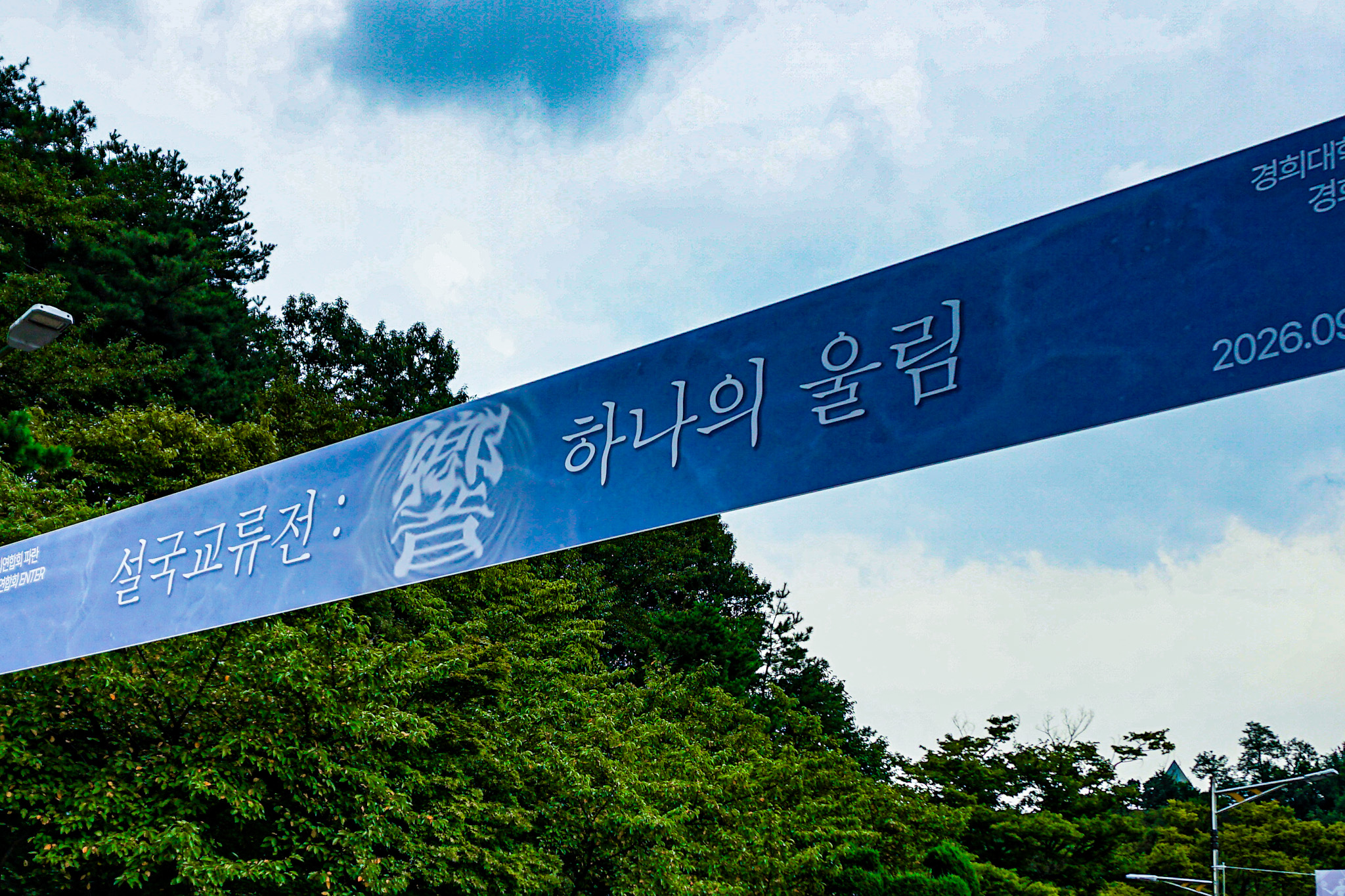
2026-2 Seolguk Exchange Festival
The Seolguk Exchange Festival recently came to a close. But based on the low attendance and limited engagement throughout the event, it is difficult to regard it as a success.
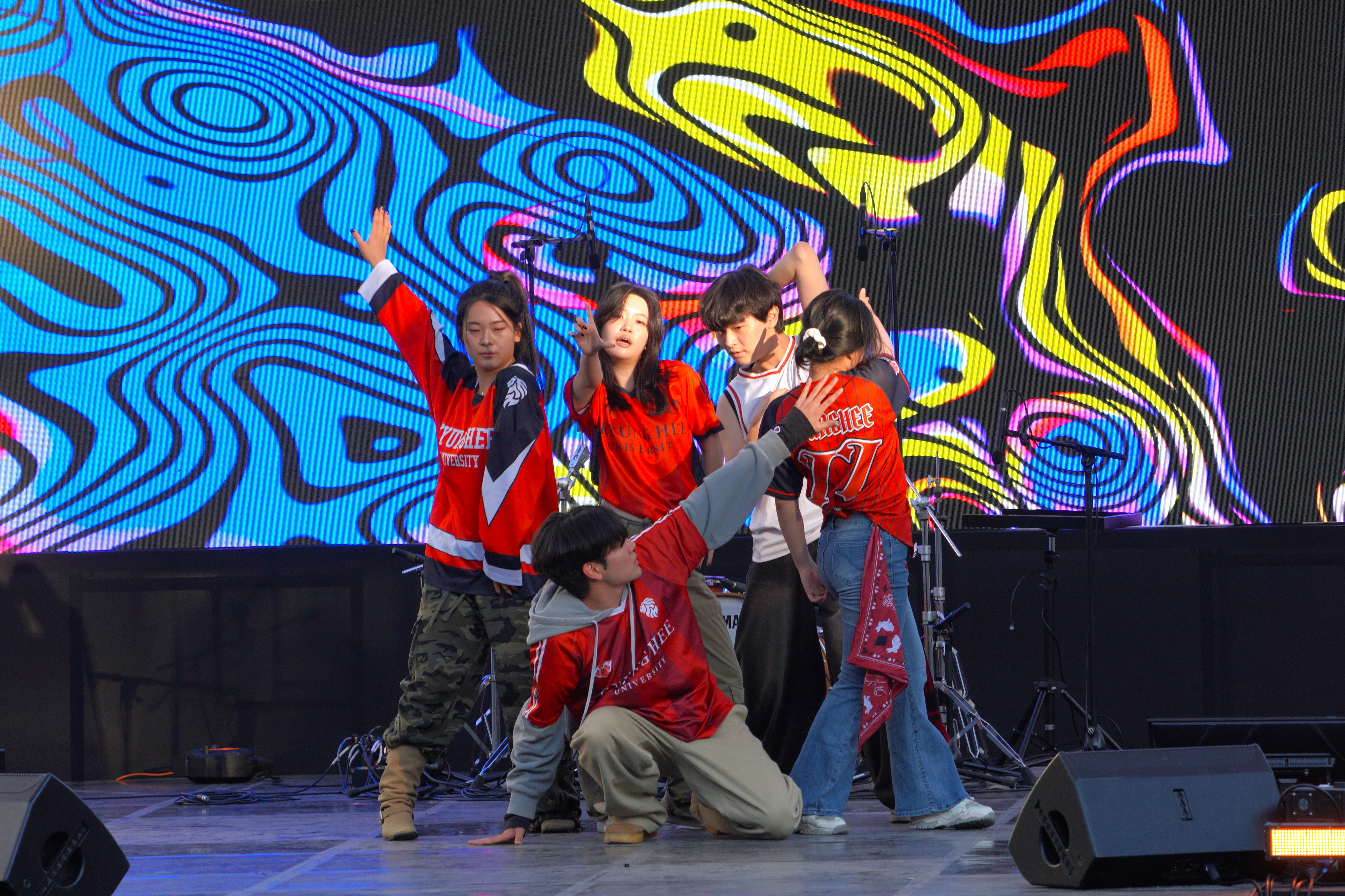
On the first day, several sports matches such as basketball and football were held, but the stands were embarrassingly empty. The live-streamed football match drew a real-time audience in the single digits. On the second day, invited artists like Woo Won-jae and Yang Hong-won took the stage, yet the energy fell short of an ordinary campus festival. Anyone who was there would likely agree.
This was surely not the outcome envisioned when the festival was first planned. For many high schoolers, the Yon-Ko Match, jointly hosted by Korea and Yonsei University, represents the excitement and romance of university life. At the Yon-Ko Match, students throw themselves into enthusiastic cheering, and the stadium fills up every year with current students and alumni of both universities. Just as the rivalry between the two universities has helped foster strong student participation, KHU must also have hoped to create a similar sense of engagement through competition.
Then why, even after being equipped with the framework of a campus rivalry, does the Seolguk Exchange Festival still fail to gain much attention from students? To answer this question, we need to move past surface-level diagnoses. The organizers said that to improve the low participation rate, promotion must be more aggressive. But can we really say that putting up more social media posts and more promotional printouts would actually raise students' expectations and participation? The results of this year's event have already given the answer that it does not.
Distance between the two campuses is another barrier to participation, but proposed solutions remain limited. Measures such as expanding the Seolguk bus service or issuing cross-campus cooperation notices may help, though their feasibility and actual impact on participation remain uncertain.
To overcome these limitations, the first step is securing sufficient funding. Last year's Lion Match is a good reference. At the time, support from alumni and the University was substantial, enabling various content that students could enjoy to be prepared. Participants were provided meals at the student cafeteria, and arrangements such as venue bookings and after-parties were carefully made. For the sports matches, commentators gave live commentary, and the organizing committee even had matching uniforms made to raise the level of finish. Going beyond mere club-level budgets, designing programmes worth taking part in based on stable resources will be the practical solution.
The issue of venue is also an urgent task. Splitting the festival across two campuses one day each may look fair, but the result is to halve each day's audience and to fade the original meaning of exchange. As a realistic alternative, it is time to actively discuss a 'One-day' integrated format. If the sports matches, the club exchanges, and the celebrity performances are compressed into a single day and concentrated on one campus, this would prevent the dispersion of people caused by physical distance and maximise the immersion of the festival. Even if the tight timeline makes it unavoidable to scale down some programmes, this would be a far more worthwhile trade-off than repeating a half-empty event with no audience.
There is also plenty of room for improvement in how the event is run. When several sports such as basketball, football and baseball are held in similar time slots at the same time, students end up scattering to whichever venue is closest, or, not knowing where to go, turning away. Different programmes need to be staggered in time to keep the audience engaged. For example, the schedule could be arranged from morning through afternoon, with one match leading naturally into the next. Not many students can indeed set aside a whole day, but this can lead the audience to move along with the matches, keeping the overall energy of the event alive.
If it is called the Seolguk Exchange Festival, it must live up to that name. More posters and Everytime posts will not make students come. The festival needs to give them a reason to come—and that requires better programmes, easier access, and the resources to make them possible.
There are no registered comments.
- 1
- 2
I agree to the collection of personal information. [view]